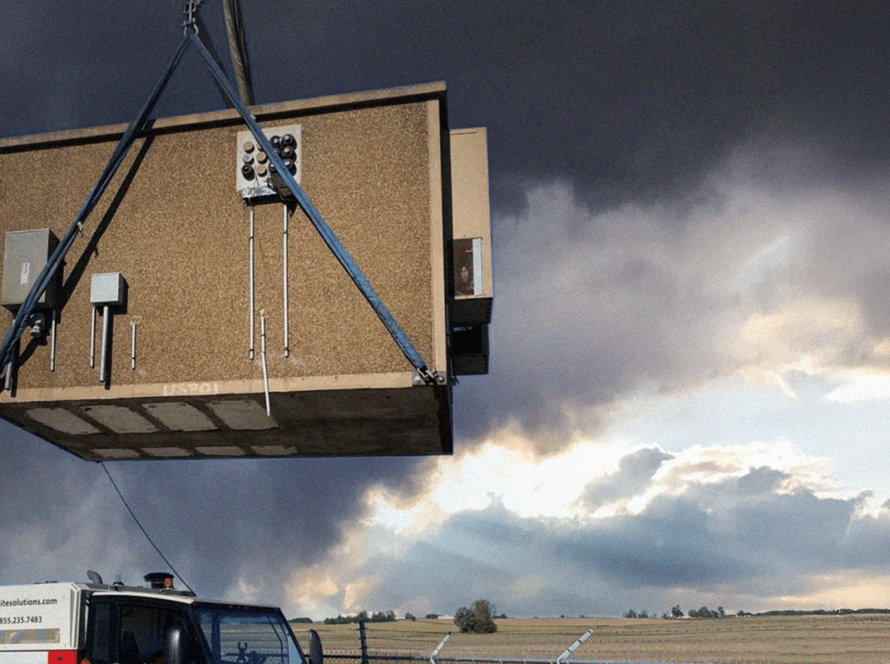
When it comes to telecom infrastructure and network deployment, time can be just as important as cost.
Critical infrastructure—including telecom shelters, generators, DC power systems, site construction, land acquisition, and other long-lead items—often requires significant planning, engineering, procurement, and funding. Waiting too long to secure these resources can create a ripple effect that impacts the entire project budget and deployment schedule.
Long-Lead Items Can Delay the Entire Project
Telecom infrastructure projects rely on multiple components working together. A shelter may be ready, but the site isn’t. The site may be complete, but the generator or DC power equipment hasn’t arrived.
When one critical component is delayed, it can become the critical path for the entire project.
These delays can lead to:
- Increased material and labor costs.
- Expedited shipping and transportation expenses.
- Contractor remobilization.
- Extended project management and engineering costs.
- Equipment and material storage.
- Missed construction windows.
- Delayed network deployment and service availability.
The result is a higher total cost of the project, even if the original purchase price hasn’t changed.
Procurement Is Part of Project Management
Effective telecom project management starts well before construction. Organizations should identify long-lead infrastructure during the planning and design phases and incorporate procurement timelines into the overall project schedule. This includes forecasting requirements for telecom shelters, generators, DC power materials, electrical systems, site construction, logistics, and other critical infrastructure.
Advanced ERP, capital planning, and funding allocation also play an important role. Securing funding and materials early gives project teams greater control over lead times, supplier availability, and deployment schedules.
Instead of asking, “How quickly can we get it?” the better question is: “When will we need it, and what needs to be secured today to meet that deployment date?”
Time is Cost
Many critical infrastructure materials and services rarely become less expensive with time. Delaying procurement can expose projects to changing material costs, labor rates, transportation expenses, and supply chain constraints. More importantly, schedule risk is financial risk.
A delayed shelter can delay construction. A delayed generator can delay commissioning. A delayed site can delay the entire network deployment.
For organizations managing broadband expansion, wireless infrastructure, fiber deployment, public safety communications, or other critical infrastructure projects, proactive procurement can help protect both the project budget and deployment timeline.
Plan Early. Deploy Faster.
The best way to reduce the hidden cost of time is to identify long-lead items early, allocate funding in advance, and make infrastructure procurement part of the overall project management strategy. A turnkey telecom infrastructure partner can also help coordinate multiple requirements—including shelters, site construction, generators, DC power, logistics, and other infrastructure—reducing handoffs and helping keep projects moving.
At CellSite Solutions, we help organizations plan and execute critical telecom infrastructure requirements so they can reduce delays, manage project risk, and keep network deployments on schedule. Because in telecom infrastructure, time isn’t just a schedule—it has a cost. Plan Early. Procure Strategically. Deploy Faster.
Download FREE eBook
Telecom shelter construction involves more than just building a structure from the ground up. Whether you’re a telecom professional or simply curious about the process, this resource offers valuable insights.